How Damp and Cold Housing Affects Your Health in Winter
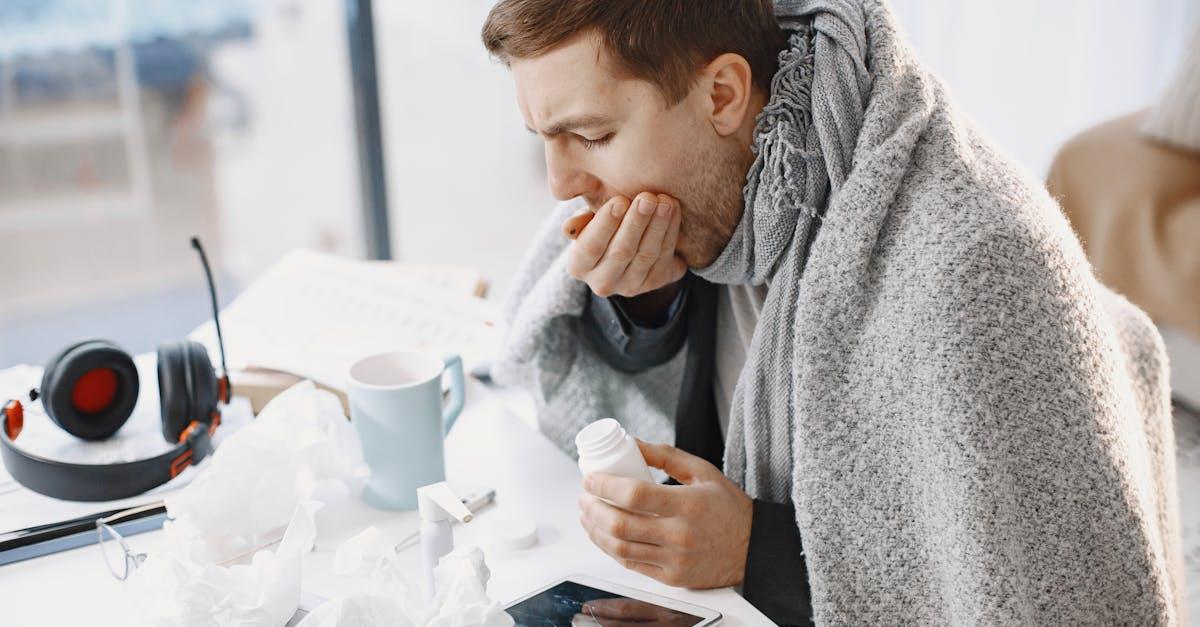
Living in a damp or cold home is more than just uncomfortable — it's a genuine health risk. When winter arrives in Wakefield and temperatures drop, thousands of residents face the difficult reality of homes that are too cold, too damp, or both. Whether the problem is poor insulation, a broken boiler, rising energy bills, or mould that won't shift, the health effects are real and often serious. This post looks at how cold and damp housing affects your health, who is most at risk, and where to find practical support in Wakefield.
How Cold Housing Affects Your Body
Your body works hard to maintain its core temperature. In a cold home, that effort never stops — and it takes a toll over time.
Prolonged exposure to cold is linked to several serious health problems:
Respiratory infections and asthma. Cold air irritates the airways. If you have asthma or chronic obstructive pulmonary disease (COPD), living in a cold home often makes symptoms worse. You're also more likely to catch chest infections, bronchitis, and pneumonia. Cold-triggered wheezing can be sudden and severe.
Heart and circulation problems. When you're cold, your blood vessels narrow and your blood pressure rises. Your heart has to work harder. This puts you at higher risk of heart attacks and strokes — especially if you're older or already have a heart condition. Research shows these risks spike during cold spells.
Muscle and joint pain. If you have arthritis, rheumatism, or other joint issues, damp and cold almost always make pain worse. Cold stiffens muscles and can trigger painful flare-ups.
Mental health effects. Living somewhere uncomfortable is stressful. A cold, damp home contributes to low mood, anxiety, and social isolation. Some people avoid inviting friends or family over because they're embarrassed. This isolation makes depression and loneliness worse.
Weakened immunity. Prolonged cold exposure can suppress your immune system, making you more vulnerable to infections.
If you notice these symptoms worsening, speak to your GP or pharmacist. We can recommend treatments and help you think through next steps.
Damp, Mould, and Respiratory Health
Damp homes create conditions where mould thrives. Mould releases spores into the air, and when you breathe them in, they irritate your lungs, eyes, nose, and throat.
The NHS warns that damp and mould can trigger:
- Persistent coughing and wheezing
- Stuffy nose, sneezing, and sinus congestion
- Eye irritation and itching
- Skin rashes (sometimes from direct contact)
- Worsening asthma and hay fever symptoms
For young children, older adults, and anyone with existing respiratory or immune conditions, mould exposure can be particularly serious. A child's lungs are still developing. An older adult's immune system is less able to fight off infection. Both are at higher risk of pneumonia or other serious chest infections in a mouldy home.
Who Is Most Vulnerable?
While cold and damp housing affects everyone, some groups face greater risk:
Older adults. You lose body heat more easily as you age. Your body is also slower to respond to cold. If you're 65 or over, hypothermia (dangerous drop in core body temperature) is a real risk in a cold home. You're also more likely to have heart disease, arthritis, or respiratory conditions that cold makes worse. Many older adults on fixed pensions also struggle to afford heating. Winter warmth advice for older adults in Wakefield covers practical steps.
Young children and babies. Their immune systems are still developing and can't fight infections as well as adults'. Babies especially struggle to regulate body temperature.
People with chronic health conditions. If you have asthma, COPD, heart disease, diabetes, or other ongoing conditions, cold and damp housing can trigger flare-ups or complications.
People with disabilities or limited mobility. You may find it harder to warm your home or to make repairs. Damp and cold can also make pain and fatigue worse.
People on low incomes. Rising energy costs force impossible choices: heat the home or buy food? Pay for medicine or pay the electricity bill? This stress itself is harmful.
Practical Steps You Can Take Now
Keep your home warm enough. The NHS recommends at least 18°C (64°F) if you're over 65 or have a health condition. Even if heating is expensive, keeping the rooms you use most at a reasonable temperature matters for your health.
Manage moisture and ventilation. Open a window for a few minutes each day, even in winter (quick bursts let moisture escape without losing too much heat). Use extractor fans in kitchens and bathrooms during and just after cooking or showering. Don't dry wet clothes on radiators — that releases moisture into the air, which feeds mould growth.
If you rent, report damp to your landlord. Your landlord has a legal responsibility to keep the property free from damp and disrepair. If they don't respond, your local council's housing team and environmental health service can investigate and enforce repairs.
Check if you're eligible for financial help. Several schemes exist:
- Government energy support: grants and schemes for insulation, boiler repair, and replacement
- Energy company schemes: many providers offer grants or upgrades for low-income customers
- Wakefield Council grants and programmes: local council teams can point you toward available support
- Local charities: many Wakefield-based organisations help with energy costs and housing repairs
If you're struggling to afford heating, ask your GP for a referral to local support services. Your pharmacist can also help you find resources.
Look after your health while you wait for housing repairs. If you can't solve the damp or cold immediately, you can still reduce health risks:
- For respiratory symptoms caused by damp, over-the-counter treatments can help. Winter-proofing your medicine cabinet covers what to stock. Speak to your pharmacist about inhalers, decongestants, or antihistamines.
- If you're experiencing stress during winter, try simple techniques: gentle movement, connecting with friends (even online), and getting outside in daylight when you can.
- If you have vitamin D deficiency, discuss supplements with your GP or pharmacist — especially if you're housebound.
- If you develop chilblains or other cold-related skin problems, we can recommend creams and treatments.
Local Support in Wakefield
You don't have to navigate this alone. Support is available:
Your GP. If your health is worsening because of your housing, tell your GP. They can provide supporting evidence for housing complaints or benefit applications, prescribe treatments for conditions made worse by cold or damp, and refer you to local housing services or charities.
Wakefield Council. The council's housing and environmental health teams investigate damp, condensation, and disrepair. They can also help you apply for insulation and heating grants.
Citizens Advice Wakefield. They offer free help with energy debt, switching suppliers, accessing grants, and housing rights.
Kingfisher Pharmacy. We're here in Wakefield city centre on Kirkgate. If cold or damp housing is affecting your health, we can recommend treatments for respiratory symptoms, skin problems, or other issues; help you think through which health concerns need GP referral; and point you toward local support services and housing advice.
Why This Matters — Beyond Your Home
Cold and damp housing isn't just your problem to solve alone. It's a public health issue. The NHS spends billions treating conditions linked to poor housing — respiratory infections, heart attacks, strokes, mental health crises. Better insulation, affordable energy, and proper maintenance would benefit everyone.
In the meantime, if your home is making you unwell, please reach out for help. You deserve to live somewhere warm, dry, and safe.
Frequently Asked Questions
Q: How cold is too cold for a home? A: The NHS recommends at least 18°C (64°F) as a safe minimum, especially if you're over 65 or have a health condition. Some sources suggest 21°C (70°F) is more comfortable for general health and wellbeing.
Q: Can damp cause permanent lung damage? A: Prolonged exposure to mould and damp can worsen asthma and other respiratory conditions. If you're experiencing ongoing breathing problems, consult your GP for a proper assessment.
Q: Is it okay to use a space heater if I can't afford central heating? A: Space heaters can help warm one room, but they use a lot of electricity (which can be expensive) and pose fire and safety risks if not used carefully. Always follow manufacturer instructions, never leave them unattended, and ensure the room is well-ventilated. For advice on heating safely, speak to your pharmacist or contact Citizens Advice Wakefield.
Q: Will opening windows make the cold worse? A: Opening windows briefly (even for 5–10 minutes) releases moisture without significantly dropping your home's temperature. This actually helps prevent mould. It's better than keeping windows sealed shut in a warm, damp room.
Q: What should I do if I'm developing mould-related symptoms like constant coughing? A: If you have persistent cough, wheezing, or breathing difficulties, see your GP. They can check whether you have an infection or inflammation and prescribe treatment. In the meantime, leaving the mouldy space (if possible) and improving ventilation helps.
Q: Can I claim benefits if my housing is making me ill? A: You may be eligible for support. Contact Citizens Advice Wakefield or your local council to explore options. Your GP can provide evidence that your health is being affected, which strengthens applications.
Q: Where can I get free advice about housing repairs and damp? A: Wakefield Council's housing and environmental health teams offer free advice. Citizens Advice Wakefield is also free and independent. Both can explain your rights as a tenant or homeowner.
Q: Should I take vitamin D supplements if I'm stuck indoors in a cold home? A: Many people lack vitamin D in winter, especially if they're housebound. Discuss supplements with your GP or pharmacist — they can advise based on your health and current vitamin D levels.
If cold or damp housing is affecting your health, pop into Kingfisher Pharmacy on Kirkgate in Wakefield city centre. We can recommend treatments for symptoms, discuss next steps, and help point you toward local support services.